
Airline crews have procedures for containing bodily-fluid contamination in flight, but serious incidents can disrupt aircraft operations when cleaning and engineering support is not immediately available, The Guardian reported.
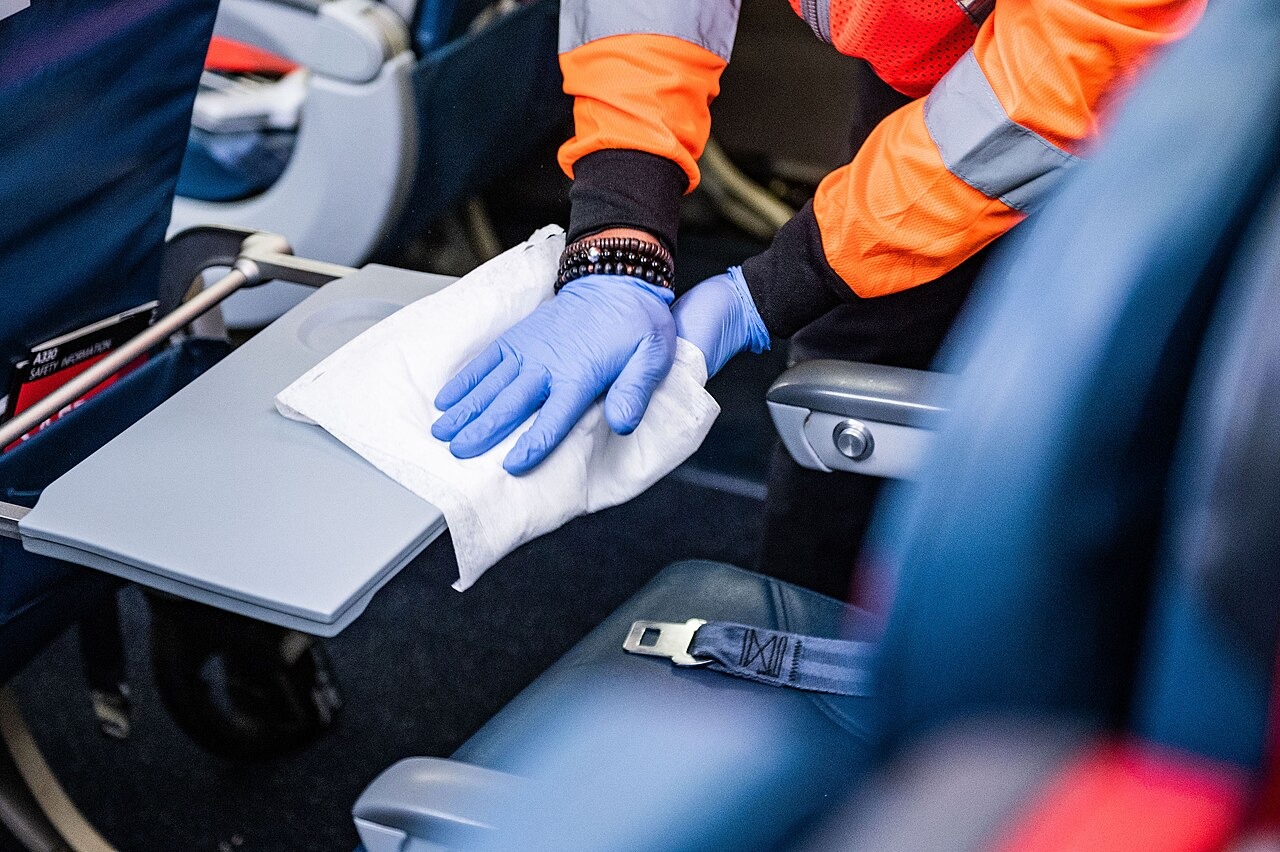
Cabin crews may use onboard biohazard kits containing absorbent powder that turns liquid into clumps for removal, followed by sanitising spray. Depending on the extent and location of the contamination, ground teams may need to conduct a deeper clean before the aircraft can operate again. Seat covers can be replaced, rows blocked off and lavatories closed; in more severe cases, sections of carpet may have to be removed.
Justin Brownjohn, a former operations manager for Singapore Airlines, Qatar Airways and Virgin Australia, told the newspaper that an airline would probably be delayed by a biohazard issue roughly once a week. The report also noted that there is no publicly available data on the frequency of these incidents, and that several airlines declined requests for internal figures.
The operational impact is greater at smaller airports, where specialist cleaners and maintenance teams may not be available. Brownjohn said airlines may have to cordon off affected areas and do what they can, or cancel the flight. A flight attendant quoted in the report said extreme contamination involving carpets or seat cushions can cause delays.
A previous Delta Air Lines case illustrates how quickly the problem can affect a schedule. A flight from Atlanta to Barcelona returned to Atlanta in 2023 after a passenger had diarrhoea throughout the aircraft; CBS News reported that the aircraft returned slightly more than two hours after departure and the flight was delayed for just over eight hours.
The Guardian report said the captain has final authority over whether an aircraft is accepted for flight, while crew may seek additional cleaning through a consultative process. Neither report establishes a standardised industry frequency or a universal cleaning threshold for these incidents.